We have all heard the saying “No pain, no gain” right? But we have to know the difference between soreness and actual pain. It’s also, important to understand the difference between pushing through the pain and further injuring yourself. Recent studies have shown that the most common cause of injuries in fitness was from overexertion.
If you are injured and looking to stay in shape, I have come up with some examples and ideas for you to try to still get a good workout in while not causing you more harm. Read my four best exercises to do while recovering from injuries.
Swimming Pool
Swimming pool exercises are low impact and can be a great way to get a good workout in while being injured. Working out in the pool is a fun way to burn calories too. There are many different workouts that you can perform in the pool. Some of these workouts will also give you that sense of accomplishment.
Typical pool workouts include:
- Arms lifts
- Jumping jacks
- Leg kicks
- Lateral raises
- And walking
- swimming
Exercising in the pool provides an opportunity for full-body workouts while limiting the impact you experience and feel. Try these exercises the next time you go for a swim and you’ll be injury free in no time.
Resistance Bands
Resistance bands offer a way of isolating specific muscles so you can work strengthen the muscles that are injured to ensure they won’t be prone to reinjure. Bands are very inexpensive and can be used for many different exercises. They come in many colors representing the resistance of the band. I got mine from Amazon, but they sell them at Wal-Mart, and any department store. They usually come in packs of 3-4 bands to work up to the stronger resistance as you get stronger and healthier.
Yoga
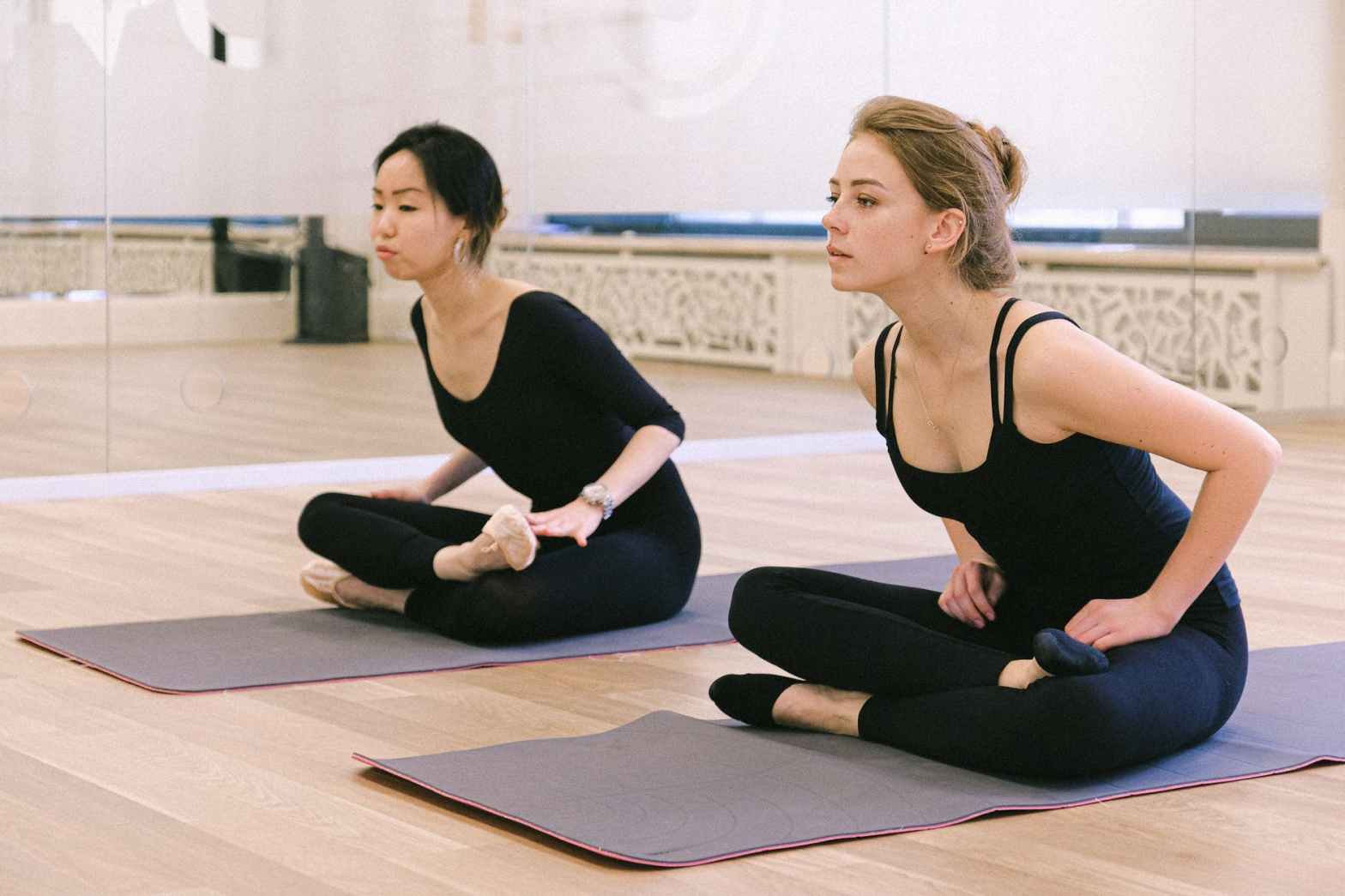
Yoga can provide several benefits for people with various types of back pain. For example, yoga can help by healing injured back muscles. Speeding time to recover from an injury. Inversion poses will be helpful to reduce inflammation by activating the lymphatic system, and will also provide elevation if the injury is located in the lower body. Knee injuries can be very devastating to athletes in their prime, and recovery can take a long time. The patellofemoral pain syndrome (PFPS) can be avoided through keeping your quads supple, hip abductors strong, and maintaining proper relationships between muscle groups. Uttanasana or Standing Forward Bend Pose, Childs Pose or Balasana can relieve the stiffness of your spine and hips along the posterior chain.
Stationary Bike
Stationary bikes are good if you have a leg or a foot injury and want to start slow and at a more even pace indoors first before moving to the outdoors. I recommend circuit training to get through an injury. I can assist you with setting one up or you can look at YouTube for a step by step video. With a stationary bike you’ll be able to adjust the speed and tempo as your foot or leg gets stronger.
So I was hurting from bursitis in my right hip last year. I went to the doctor for a steroid shot in my hip at the location in the picture above to relieve the pain until I was able to strengthen it. This took several months to heal to a point where it wasn’t as noticeable. For this injury I was doing all four of the above exercises that I have recommended and my hip is now (almost) pain free. I performed a lot of resistance band exercises and was more aware of how long I was sitting down, how I was sitting, in addition to doing some floor stretches such as butterfly’s to open up my hip joints. If you have the same problem or have ever experienced it yourself, you know it’s painful and takes a while to heal. The good thing though, I was still able to do upper body exercises.
Thanks for reading my blog and I hope this helps. I encourage you to at least try to incorporate one or some of these exercises into your routine or after an injury to see if they can help. If you need any help after an injury or just in general, please let me know. I hope you stay strong and live your best life by staying healthy and happy.
Take Care,
Darren
 Harmony Shift