
Welcome to my blog, Harmony Shift. This is the place where we help shift workers be their best. That could be energy, diet, meditation, or exercise. So, today we are going to talk about nutrition, specifically if you should go grain free. We hear a lot of hype about grain free diets, both good and bad, but what does it mean exactly and is it healthy? We will explore what you can eat and what you shouldn’t. We will also touch on the pros and cons of such diets. Let’s dive right in and find out what all the hype is about.
Grains
Grains are basically the edible seeds of certain grasses (in a nutshell). Without the nuts! So, anyway some examples of such grains are wheat, rice, oats, corn, barley, millet, rye, spelt just to name a few or most of them. There are some grains referred to as “pseudo-grains” such as quinoa, buckwheat, and amaranth. These are technically seeds so I know the people that follow a grain free diet generally stay away from these as well. But these do not contain gluten so if you have celiac disease or a sensitivity to it, you are still able to eat these pseudo-grains.
What You Can Eat
If/when following a grain-free diet, it’s very important to fill up on these foods.
- fruits like berries, oranges, and apples
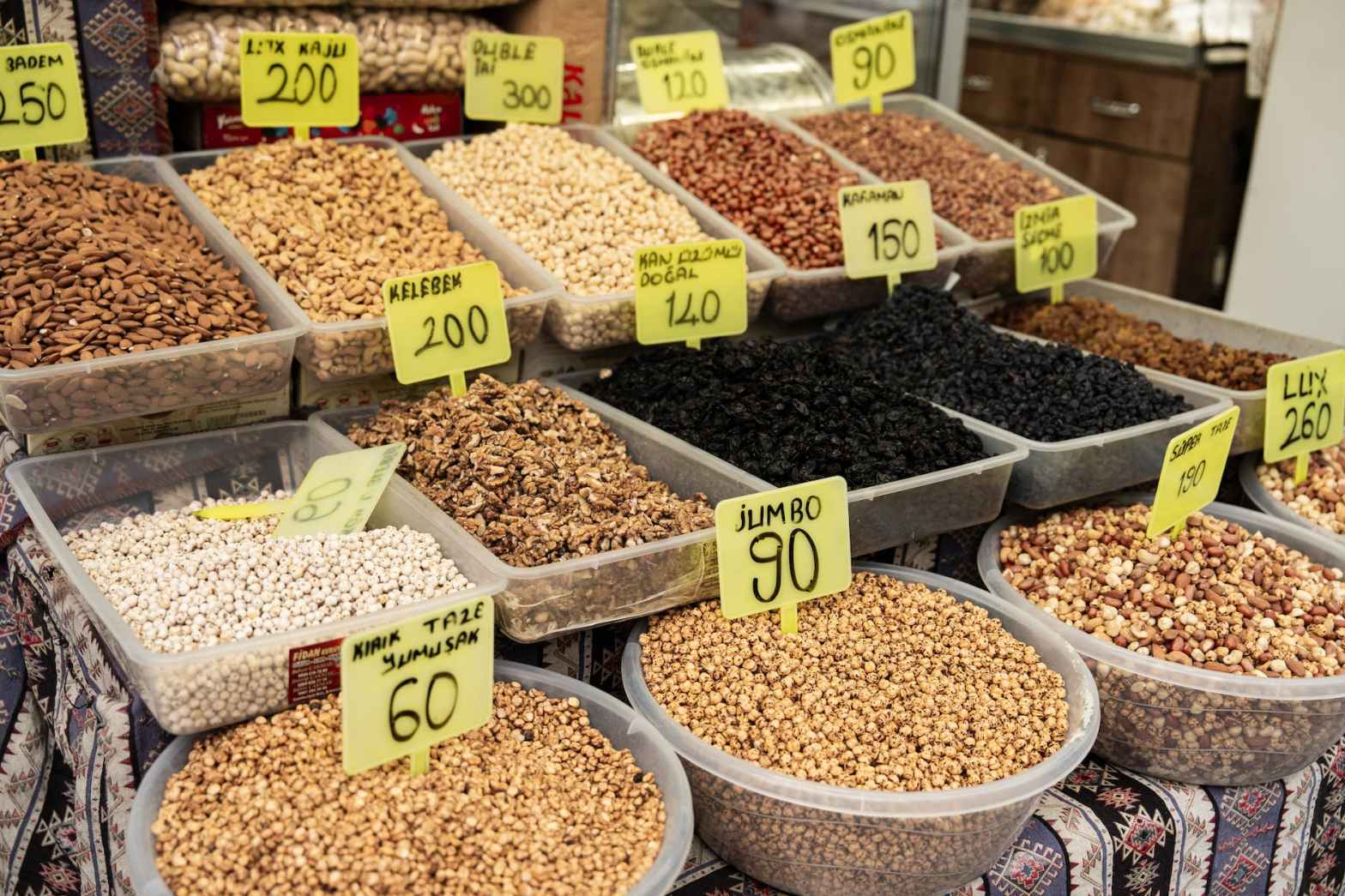
- healthy fat sources like nuts, avocados, and olive oil
- healthy grain-free products like almond flour and coconut flour
- starchy vegetables like sweet potatoes, potatoes, and butternut squash
- non starchy vegetables like broccoli, cauliflower, zucchini, and asparagus
- animal and plant-based protein sources like chicken, fish, eggs, and lentils
But these days, you can find loads of grain-free products in local grocery stores. You can also exchange traditional grain products with other healthier ingredients such as:
- almond flour
- coconut flour
- zucchini noodles
- riced cauliflower or broccoli
- starchy veggies like potatoes, squash, and fresh corn
What you Can’t Eat
When on a grain-free diet, it’s important to avoid you guessed it! Grains! and grain-based products. These include:
- rice, oats, wheat, barley, and rye
- grain-based plant milks like oat milk and rice milk
- grain-based snack foods like popcorn, wheat crackers, and oat bars
- oatmeal, cream of wheat, and most breakfast cereals and breakfast bars
- wheat flour-based baked goods like bagels, bread, pizza, noodles, and pasta
- sugary baked goods made with grain-based flours like muffins, cookies, and cake.
Pros of Going Grain-Free
Grain-free diets aren’t a one-size-fits-all diet. The specific dos and don’ts vary from person to person, so there isn’t a lot of research available today to explain the exact perks.
But there is a small 2019 study that showed dietary patterns in grain-free diets that have some potential benefits. Let’s explore them.
Cutting out grains may reduce your risk of certain health conditions such as depression, heart disease, type 2 diabetes, and IBS. In addition, it might help reduce the symptoms of autoimmune diseases. Eating refined grains are easily digested into simple sugars. This can cause blood-sugar spikes and quick crashes. So, eating less refined grains can keep your levels in check.
Grain-free might improve your overall diet quality if your current diet is filled with a lot of processed foods. If you replace them with more nutrient-dense foods, you’ll get more fiber, vitamins, minerals, protein, and other important nutrients. Also, a grain-free diet is free from gluten. So, it will have benefits for folks who have celiac disease and non-celiac gluten sensitivity (NCGS). (Like me!)
Another pro to a grain-free diet is it might just be the thing you need to lose those extra pounds. If you think about it, every diet works. Every diet will have you eliminate something. So, if you eliminate grains as refined carbs, you will lose some weight. Just remember, the first few pounds or so will be water weight. For every 1 gram of carbs you eat, your body will hold 3 grams of water.
Cons of Going Grain-Free
Now here is where it gets tricky. There are research studies that suggest eating some grains or pseudo-grains could help reduce your risk of getting certain diseases like type 2 diabetes, heart disease, and colorectal cancer. So there again, do things in moderation and you might not have to eliminate all grains from your diet. Also, another con is the vitamin, mineral, and fiber you will be cutting out of your diet. These things would have to be replaced with other nutrient dense foods to have a balanced diet.
In conclusion, I recommend that you talk with a nutritionist or dietician to see if a grain-free diet will be beneficial to you and your health. I cannot eat gluten, so I must eliminate some grains from my diet, however, I haven’t eliminated all of them. So, this works for me. I have thought about totally going grain-free and when I do, I will let you know the effects it had on me. I like to try different diets to see the health benefits and how my body reacts to them.
I hope this helps and shines some light on another diet that some research suggests that it’s beneficial to your health. Give it a try and let me know the effects it had on your health and why you chose to go that route. I always like hearing from my readers about their health and what works and doesn’t.
Until next time,
Take care and remember live happier and healthier.
Darren
 Harmony Shift