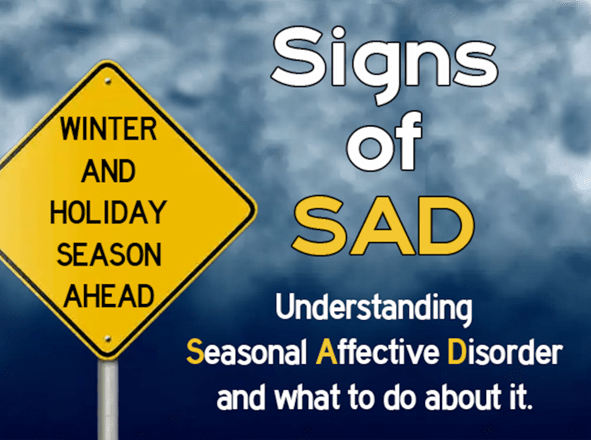
Welcome to my Blog, Harmony Shift. Today we are going to discuss a type of depression known as SAD (Seasonal Affective Disorder). We will learn about what it is, know the signs, and what you can do to try to over come it in a healthy way. I know summer is here and we don’t think about this type of depression now but it’s important to at least be aware of it when the time comes and depending on where you live in the world, it might be your time of year to experience it. So, let’s dive in and learn about this so you can live a happier, healthier life.
What is seasonal affective disorder?
Seasonal affective disorder (SAD) is a type of depression. It generally happens during certain seasons of the year such as fall or winter. However, it could happen in the Spring during the rainy season depending on where you live. It is thought by research that shorter days and less daylight may set off a chemical change in the brain leading to symptoms of depression. However, melatonin, a sleep hormone, has also been linked to SAD, because when the days are shorter and darker more melatonin is made by the body.
Who is at Risk for SAD?
Research has shown that SAD generally starts during adulthood, and rare in people under 20 years of age. The risk of SAD seems to increase with age and women are more affected to develop SAD than men.
What are the Signs and Symptoms?
So, there is really only two types of SAD known and studied by researchers, Fall-onset, and Spring-onset. Now this is not to say you might feel a form of SAD in other seasons or other times of the year, this is just what is the most common among people.
Fall-onset is also called winter depression. The symptoms generally begin in the late fall to early winter and tend to ease up a little during the summer months.
Spring-onset is also called summer depression. These symptoms generally begin in late spring and last to early summer. But this type of depression is usually less common. As stated earlier, this doesn’t mean you don’t feel any of the symptoms during these months it just means it’s less common among the general population. Remember, you feel how you feel, so accept your feelings don’t try to fight your feelings. Trying to fight your feelings will make it worse and you won’t be able to move past it. Just accept yourself for who you are! Love yourself and embrace the good days but take the bad days too.
Some of the most common symptoms of this type of depression will be different for everyone but you might have an increase in sleep and daytime drowsiness, loss of interest in activities, social withdrawal, and increase in sensitivity, anxiety, feelings of guilt or hopelessness, you might even experience a little weight gain, headaches, increase appetite and maybe physical problems. Just keep an eye on your symptoms and keep a journal because this type of depression generally comes back about the same time every year. If you are aware of this, you can start to plan early before that time of year comes. Knowing is half the battle!
How is it Diagnosed and Treated?
Depression in general often happens with other conditions, such as heart disease or cancer or with other mood disorders, such as substance abuse or anxiety. Early diagnosis and treatment are the keys to recovery. A diagnosis of SAD may be made by a careful mental health exam and health history. These are usually done by a psychiatrist or other mental health provider.
Treatment for this type of depression often differ depending on which season it is and where you live, other health factors and of course family history. They may include spending more time outdoors getting sunlight, light therapy. Certain types of light sources are best, and you can research it to find the best one for you. My wife has a special light on her office desk that acts as sunlight to calm the effects. It seems to help. Another treatment option is psychotherapy. Cognitive-behavioral therapy helps change the brains view or perspective on your environment or yourself. And of course, there are the antidepressants that correct the chemical imbalance in the brain. But I would try to use these as a last resort and try the other methods first just to see what works best for you. It maybe that you need some sort of antidepressant along with these other things to get better. The key and always the goal is to live a happier, healthier life!
In conclusion, make sure you take care of yourself and get the help you need to live your best life. I hope this little guide helps you in just making you aware of the signs and symptoms and what you can do to help. Make sure you eat a balanced diet, get regular exercise and get plenty of sleep. You will be sure to live a happier, healthier life.
Take care.
Until next time,
Darren
 Harmony Shift